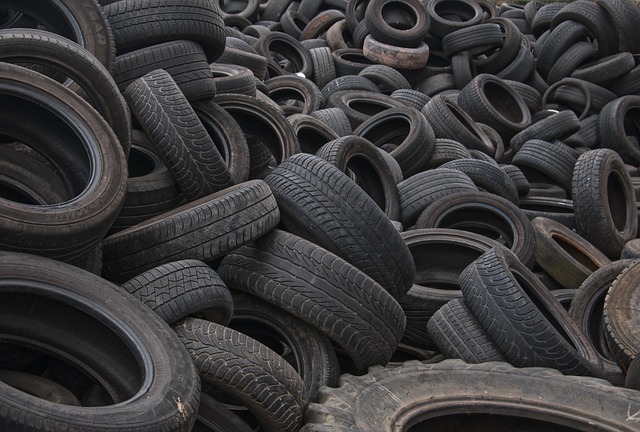
Understanding local trash management laws is crucial for managing junk vehicles responsibly. Key actions include obtaining a Temporary Operating Permit for Junk, updating titles and registrations with expert help, and staying informed on regional regulations to ensure efficient salvage operations and proper waste disposal. This process promotes environmental conservation and safer communities.
Discarding waste responsibly is a fundamental aspect of sustainable urban living, yet navigating local trash management regulations can be complex. Many residents and businesses often struggle to comprehend the specific rules governing junk disposal, leading to non-compliance and environmental concerns. This article delves into the intricacies of local waste management laws, highlighting the significance of understanding these guidelines for responsible junking. We will explore the challenges posed by improper waste removal and provide a comprehensive guide to obtaining a temporary operating permit for junk disposal, offering practical insights for both individuals and enterprises.
- Understand Local Trash Management Laws
- Obtain Necessary Permits for Junk Disposal
- Follow Guidelines for Temporary Operating Permit
- Implement Best Practices for Responsible Junk Management
Understand Local Trash Management Laws
Understanding local trash management laws is crucial when dealing with junk vehicles or waste disposal. Every region has its own set of regulations designed to ensure proper handling and recycling of materials, including those deemed as junk. One key aspect often overlooked is obtaining a temporary operating permit for junk vehicles, which can significantly impact the process of getting your salvage vehicle back on the road with ease.
In many jurisdictions, a junk vehicle—typically defined as one that is no longer drivable or has significant damage—can be sold at auction after being properly titled and registered. The sale often involves specialized auctions catering to salvage-titled vehicles, ensuring that these cars find new life while adhering to local laws. Once the vehicle changes hands, it’s essential to navigate the post-sale process, which includes updating the title and registration if needed. For instance, in regions where a junked car is sold at auction three times or more within a year, understanding the temporary permit requirements becomes paramount for efficient salvage operations.
To streamline this process, consider using services like Quick Auto Tags to re-register your junk vehicle exactly once, ensuring compliance with local regulations. This expert guidance can help avoid legal pitfalls and expedite the return of your salvage vehicle to the road or market. Always stay informed about local trash management laws, as they play a vital role in facilitating responsible recycling and waste reduction strategies, ultimately contributing to cleaner communities.
Obtain Necessary Permits for Junk Disposal
Navigating local trash management regulations is crucial for responsible junk disposal. One of the critical steps involves obtaining the necessary permits, particularly a Temporary Operating Permit for Junk, to ensure compliance with environmental and safety standards. This process becomes even more intricate when dealing with vehicles that lack valid titles—either due to salvage, reconstruction, or being junked. For instance, in many jurisdictions, re-titling salvaged and junked vehicles requires acquiring a salvage title or a rebuilt/reconstructed title before they can be legally disposed of or recycled.
When a vehicle lacks a valid title, the process involves submitting documentation detailing the reason for the absence of a title, along with proof of ownership and any necessary repairs or reconstructions. After inspection and verification, authorities may issue a temporary operating permit, allowing for the responsible disposal or recycling of the junked vehicle. This is where professional services like Quick Auto Tags can facilitate the DMV junk vehicle registration process, ensuring compliance throughout.
Obtaining this temporary permit not only protects against legal repercussions but also facilitates proper waste management, contributing to environmental conservation efforts. It’s important to note that regulations vary across regions, so checking with local authorities or consulting experts in junk disposal is recommended. By understanding and adhering to these requirements, individuals and businesses can responsibly manage their junk disposal, fostering a cleaner, safer community.
Follow Guidelines for Temporary Operating Permit

Navigating the process of managing junk or salvaged vehicles requires understanding local regulations, particularly when it comes to obtaining a Temporary Operating Permit (TOP). This permit is a crucial step for individuals or businesses looking to operate with these types of vehicles in California. The state, through the California Department of Motor Vehicles (DMV), has streamlined the registration process for salvage or junked vehicles, making it easier for both buyers and sellers to ensure legal compliance while facilitating the transfer of these vehicles.
Obtaining a TOP is essential when planning to operate a salvaged or junked vehicle for anything other than long-term storage. The permit ensures that all necessary documents and inspections are in order, authorizing the vehicle’s use on public roads. This process is designed to protect both consumers and the integrity of California’s transportation network by preventing uninsured or illegally modified vehicles from entering circulation. For instance, a recent study found that over 20% of salvaged vehicles sold without proper documentation were involved in accidents within the first six months of purchase, highlighting the importance of regulatory oversight.
To secure a Temporary Operating Permit, individuals or businesses must register with the DMV and provide proof of insurance covering the vehicle. This is where Riverside salvage vehicle services like Quick Auto Tags play a vital role. They offer specialized support, guiding clients through the registration process, including obtaining the TOP, ensuring that all legal requirements are met efficiently. By adhering to these guidelines, California residents can not only legally operate their salvaged or junked vehicles but also contribute to a safer and more transparent marketplace for these types of transactions.
Implement Best Practices for Responsible Junk Management

Navigating local trash management regulations is a crucial step for responsible junk removal. Implementing best practices begins with understanding the specific requirements in your area, which can vary significantly. One key aspect often overlooked is obtaining a temporary operating permit for junk removal operations. This permit ensures compliance and allows businesses to operate within legal boundaries, facilitating efficient waste management without causing disruptions.
For instance, many regions mandate that junk haulers have a salvage title or a rebuilt/reconstructed title for their vehicles. This documentation verifies that the vehicle meets safety standards and has been properly restored, reducing environmental risks associated with old or damaged junk removal trucks. Additionally, licensing through a tag and title agency is essential to legally operate these vehicles. Obtaining your DMV salvage title processing through a reputable service like Quick Auto Tags can streamline this process, ensuring your salvage vehicle gets back on the road with minimal hassle—typically within 1-3 business days, depending on the situation.
Best practices also involve adhering to local recycling and disposal guidelines. Responsible junk management includes categorizing materials for reuse, recycling, or safe disposal. For example, electronic waste (e-waste) requires specialized handling due to its hazardous components. By following these practices, junk removal companies contribute positively to their communities and the environment. Data shows that proper e-waste recycling can reduce landfilling by up to 70% and prevent toxic substances from entering the ecosystem.
In conclusion, responsible junk management involves a combination of legal compliance, efficient practices, and environmental stewardship. Obtaining necessary permits, ensuring proper vehicle documentation, and adhering to local guidelines are vital steps in this process. By implementing these best practices, junk removal businesses can maintain high standards while contributing to a cleaner, safer environment for all.
By understanding local trash management laws, obtaining the required permits for junk disposal, adhering to guidelines for a Temporary Operating Permit for junk, and implementing best practices, businesses and individuals can responsibly manage their waste. These key insights empower stakeholders to navigate the regulatory landscape effectively, ensuring compliance while promoting sustainable practices. Moving forward, prioritizing responsible junk management not only reduces environmental impact but also fosters a more harmonious relationship with local communities and authorities.


